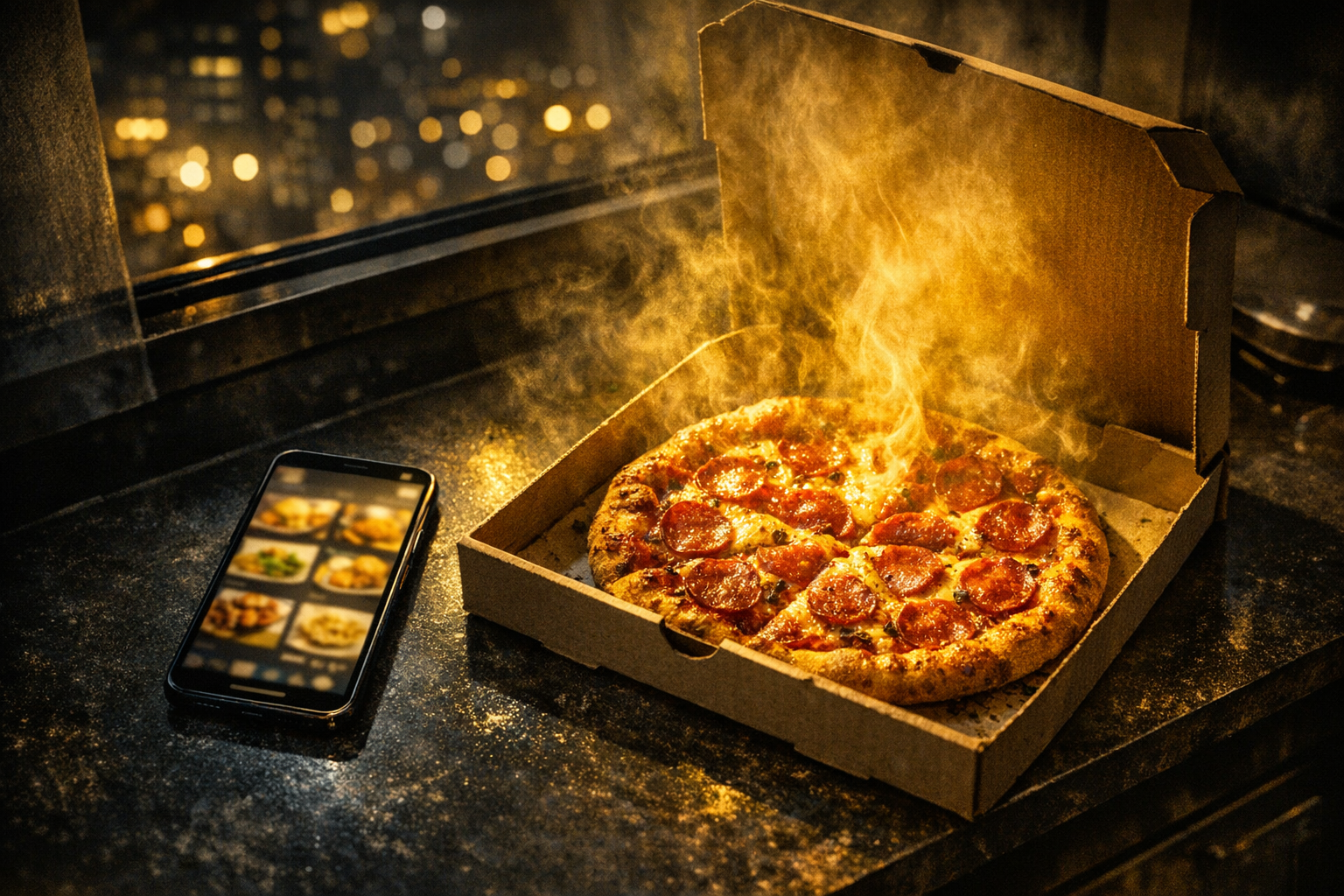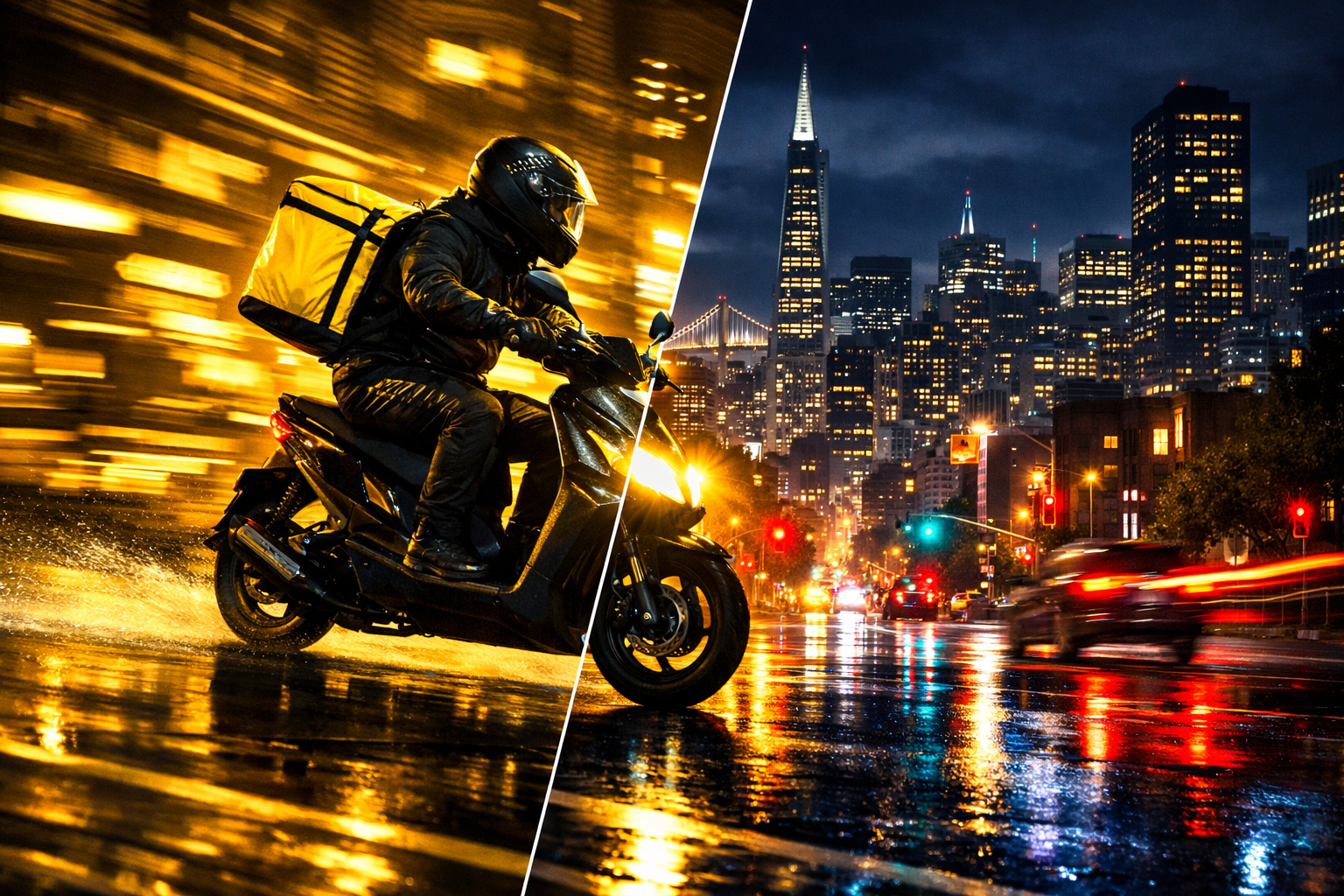
Delivery speed in San Francisco isn't random — it's the result of multiple interacting factors, from restaurant kitchen efficiency to neighborhood traffic patterns, driver routing technology, and even weather conditions. Understanding these dynamics puts you in control of your delivery experience and helps you set accurate expectations for every order you place.
Factor 1: Restaurant-to-Doorstep Distance
The single most deterministic factor in delivery speed is the physical distance between the restaurant and your delivery address. This seems obvious, but its implications are worth exploring in detail for the San Francisco context.
San Francisco's geography is unusual. The city covers only 47 square miles, making it one of the most densely populated urban areas in the United States. This means that in most neighborhoods, you are genuinely close to multiple pizza restaurants — often within 0.5 to 1.5 miles. At these distances, a scooter or e-bike delivery can complete the journey in 5–10 minutes of actual transit time. The "30 minutes or less" estimates you see on delivery apps for SF addresses are largely achievable specifically because of this compressed geography.
When you use a delivery app, pay attention to the estimated delivery time displayed before you confirm your order. This figure directly reflects the restaurant's current kitchen load plus the estimated transit time for your specific address. Choosing a restaurant with a 20-minute estimated time over one showing 45 minutes is the single highest-impact decision you can make for delivery speed.
Factor 2: Kitchen Preparation Time
The clock starts not when your driver picks up your order, but when your order enters the kitchen queue. Kitchen preparation time is a significant and often underappreciated component of total delivery time — and it varies considerably based on several sub-factors.
Order Complexity
A simple margherita or pepperoni pizza can go from order receipt to oven in under 2 minutes at a well-run pizzeria. A complex 8-topping pizza with special sauce modifications, half-and-half configurations, and custom crust preparations takes considerably longer to assemble before baking even begins. If speed is your priority, simpler orders are meaningfully faster.
Kitchen Queue Volume
The number of orders ahead of yours in the kitchen queue directly affects when preparation on your pizza begins. During peak hours — particularly Friday and Saturday evenings between 6:30 and 9:30 PM — popular SF pizzerias may have 15–25 orders in queue ahead of yours. This can add 15–25 minutes to your total wait time before your pizza has even been started.
Staff and Equipment Capacity
Higher-quality pizzerias with multiple ovens and well-staffed kitchens can maintain throughput even during busy periods. Smaller operations with a single oven and a two-person kitchen team hit capacity constraints quickly during rushes. When choosing between restaurants, established operations with consistently high order volumes are better equipped to handle peak demand without proportionally extending wait times.
Factor 3: Traffic and Routing
San Francisco's traffic is notoriously complex. The city's hills, one-way streets, limited parking, and congested arterials create a challenging delivery environment — but one that has been largely addressed by the shift to two-wheeled delivery vehicles.
E-Bikes and Scooters vs. Cars
The majority of SF pizza deliveries are now completed by e-bike or electric scooter rather than car. This shift has dramatically improved delivery speed in the city for two reasons. First, two-wheeled vehicles are not subject to car traffic congestion on most SF streets and can often take shorter routes through areas cars cannot access. Second, they have essentially unlimited parking at most SF addresses, eliminating the time car drivers spend searching for legal drop-off spots or double-parking.
On congested corridors like Market Street, Valencia Street, or 19th Avenue during peak hours, an e-bike can outpace car traffic by 50–100%. This advantage is most pronounced during evening rush hour, which coincidentally overlaps with the busiest delivery period of the week.
The Role of GPS Routing
Modern delivery platforms use real-time traffic data and historical routing performance to assign deliveries and calculate routes. A driver following the platform's GPS-optimized route is measurably faster than one navigating independently, particularly for drivers less familiar with SF's street layout. This technology has progressively narrowed the variance in delivery times, making estimates more reliable and consistent than they were in the early days of delivery app services.
Factor 4: Time of Day and Day of Week
Timing your order strategically can reliably reduce your delivery wait by 10–25 minutes. Here is a practical breakdown of SF's delivery time landscape across the week:
Factor 5: Building and Address Accessibility
A factor often overlooked in delivery speed discussions is the "last 100 meters" problem — getting your order from the street to your actual door. In San Francisco's dense residential landscape, this final leg can add significant time if not handled proactively.
Buildings with secured lobbies, keypad entry, or buzzer systems require the driver to contact you, wait for a response, and navigate building access before the delivery is complete. In multi-story buildings, elevator waits add additional minutes. Parking-challenged streets where drivers can't stop safely may require them to park a block away and walk.
The cumulative impact of these micro-delays is real: an otherwise fast delivery can add 5–10 minutes at the final step due to building access complexity. Providing detailed delivery instructions — including buzzer codes, floor numbers, and your phone number — in your order notes directly addresses this and consistently improves final delivery speed.
Factor 6: Weather Conditions
San Francisco's weather has a more pronounced effect on delivery speed than most cities due to the city's unique microclimate system. The famous fog, combined with periodic rain and wind, creates conditions that slow e-bike and scooter deliveries meaningfully. Wet streets reduce safe travel speeds. Strong winds (common in the Sunset, Richmond, and western neighborhoods) add resistance and fatigue for two-wheeled riders.
During foggy or rainy evenings, expect delivery times to extend by 10–20% compared to clear-weather estimates. If you're planning delivery on a visibly poor-weather evening, adding that buffer to your timing expectations will serve you well.
Factor 7: Platform vs. Direct Ordering
The channel through which you place your order has a measurable effect on delivery speed. Third-party delivery platforms introduce an additional communication layer between your order and the restaurant kitchen — order confirmation, transmission to the restaurant, and potential platform-side processing steps all add latency that can range from negligible (30 seconds) to significant (3–5 minutes during high-demand periods when platform systems are under load).
Ordering directly from a restaurant's website or phone eliminates this intermediary entirely. The kitchen receives your order immediately, and preparation can begin without waiting for platform confirmation. For the fastest possible delivery, direct restaurant ordering is consistently the superior channel.
Putting It All Together
Understanding these seven factors gives you a practical framework for optimizing your pizza delivery experience in San Francisco. The highest-impact levers you control as a customer are: choosing the closest well-reviewed restaurant, ordering during off-peak hours when possible, keeping your order simple, providing complete delivery instructions, and considering direct ordering from the restaurant. Apply these consistently and your average delivery time will improve noticeably across the board.